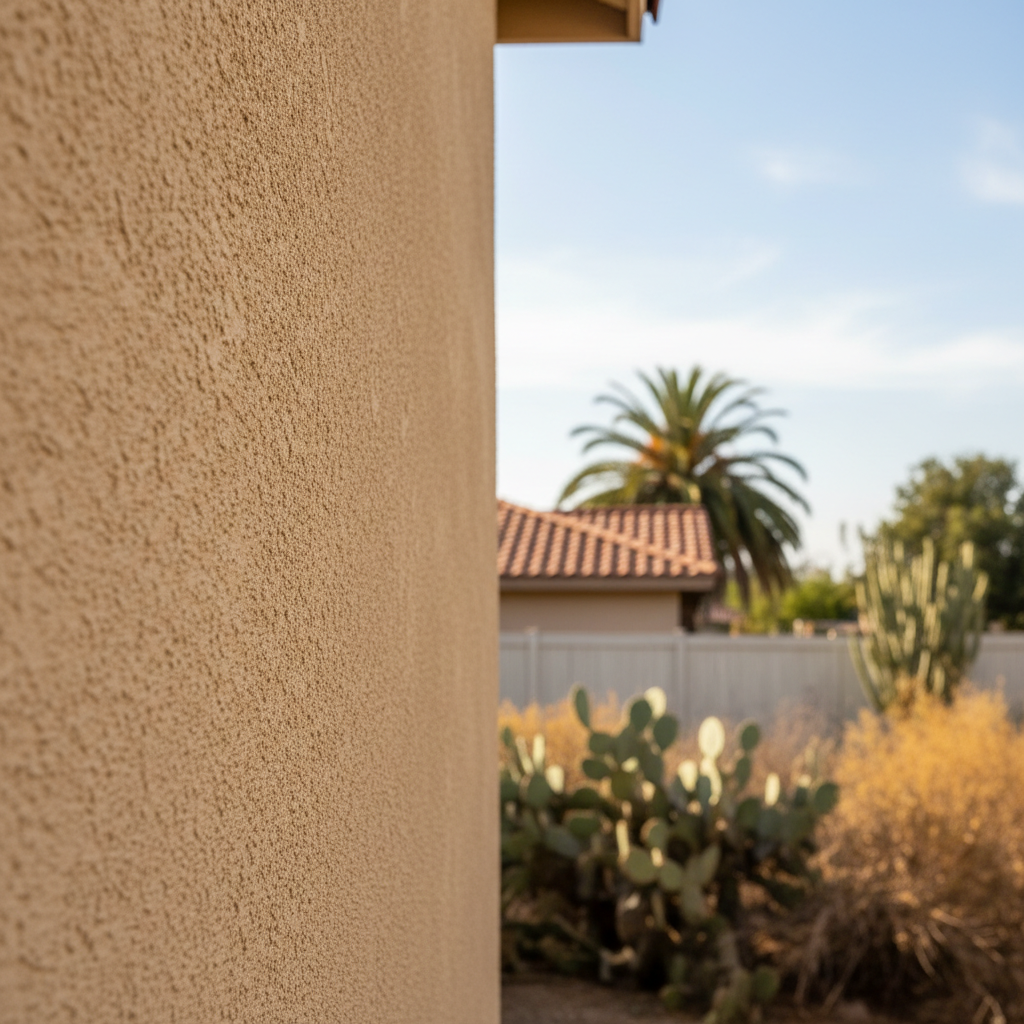
Your stucco's looking a bit rough, huh? Maybe you've got some hairline cracks, a bigger hole, or just some weird discoloration that's bugging you. As a local contractor, I get a lot of the same questions from folks right here in San Dimas about their stucco. So, I figured I'd lay out some honest answers to the most common ones. Let's get into it.
What's causing these cracks in my stucco?
Cracks are probably the number one thing I get calls about. There are a few usual suspects. Small, thin cracks, what we call hairline cracks, are often just from the stucco drying and shrinking over time, or from minor temperature shifts. That's pretty normal. Then you've got settlement cracks. These are usually diagonal, running from corners of windows or doors, and they tell me your house is settling a bit. It happens, especially with the expansive clay soils we have in some parts of San Dimas, like around the Via Verde hills. Bigger, wider cracks, or ones that look like a spiderweb, can point to more serious issues like water damage behind the stucco, or even structural movement. It's always best to get those checked out sooner rather than later.
Can I just paint over stucco cracks?
Short answer: no, not really, not effectively. Painting over cracks is like putting a band-aid on a broken bone. It might hide it for a little while, but it won't fix the underlying problem. If you just paint over a crack, it'll likely reappear pretty quickly, especially with our hot summers and cooler winters causing expansion and contraction. Plus, if there's water getting in through that crack, painting over it will just trap the moisture inside, which can lead to bigger problems like dry rot or mold. You need to properly repair the crack first – clean it out, apply a flexible sealant or appropriate patching material, and then paint. That's how you get a lasting fix.
How do I know if my stucco has water damage?
Water damage is a big deal, and it's often sneaky. Look for dark streaks or stains below windows, around faucets, or near the roofline. You might also see bubbling, blistering, or soft spots in the stucco itself. If you push on an area and it feels spongy, that's a red flag. Sometimes, you'll even see mold or mildew growing on the stucco, or inside your home on walls adjacent to the exterior. The biggest indicator, though, is if the stucco is delaminating – meaning it's separating from the wall underneath. If you suspect water damage, don't wait. Water can rot out your sheathing and framing pretty fast, and that gets expensive to fix.
What's the difference between synthetic and traditional stucco repair?
Good question, because they're not the same. Traditional stucco, also called hard-coat stucco, is a cement-based product. It's rigid and breathable. Repairs involve matching the mix, texture, and color. Synthetic stucco, or EIFS (Exterior Insulation and Finish Systems), is a multi-layered system with an insulation board, a base coat with mesh, and a finish coat. It's more flexible and doesn't breathe as much. Repairing EIFS requires specific materials and techniques to maintain its integrity and moisture barrier. You can't just use cement stucco to fix EIFS, and vice-versa. Using the wrong material will stick out like a sore thumb and won't hold up.
How long does a typical stucco repair last?
If it's done right, a stucco repair should last a very long time – often as long as the original stucco itself. That means using the correct materials, proper preparation, and skilled application. For instance, if we're fixing a crack, we make sure it's properly cleaned, widened if necessary, and then filled with a high-quality, flexible sealant before applying the patching material. If we're patching a larger area, we ensure proper lath is in place and the layers are applied correctly. The biggest factor in longevity is addressing the root cause of the damage. If you fix a crack but don't stop the water intrusion that caused it, you'll be fixing it again soon enough. That's why I always dig a bit deeper to figure out what's really going on.
Will the repaired area match my existing stucco perfectly?
Getting a perfect match is the goal, but it's also one of the trickiest parts of stucco repair. There are so many variables: the original color pigments, how much the existing stucco has faded over time from sun exposure (especially here in Southern California), the texture, and even the way it was applied. We use color matching techniques and blend materials as best we can. For texture, we try to replicate the original finish, whether it's a smooth, sand, or dash finish. Sometimes, especially with older stucco or significant fading, a slight difference might be noticeable up close. That's just the reality of it. If you want a truly seamless look, especially on a prominent wall, sometimes the best option is to paint the entire wall or even the whole house after the repair is done. That's something we can discuss during an estimate.
Look, your home's exterior is important. It protects your investment and keeps everything inside safe and sound. Don't let stucco issues fester. If you've got questions or need a hand with repairs, don't hesitate to give Absolute Stucco a call. We're here to help San Dimas homeowners keep their homes looking great and standing strong.