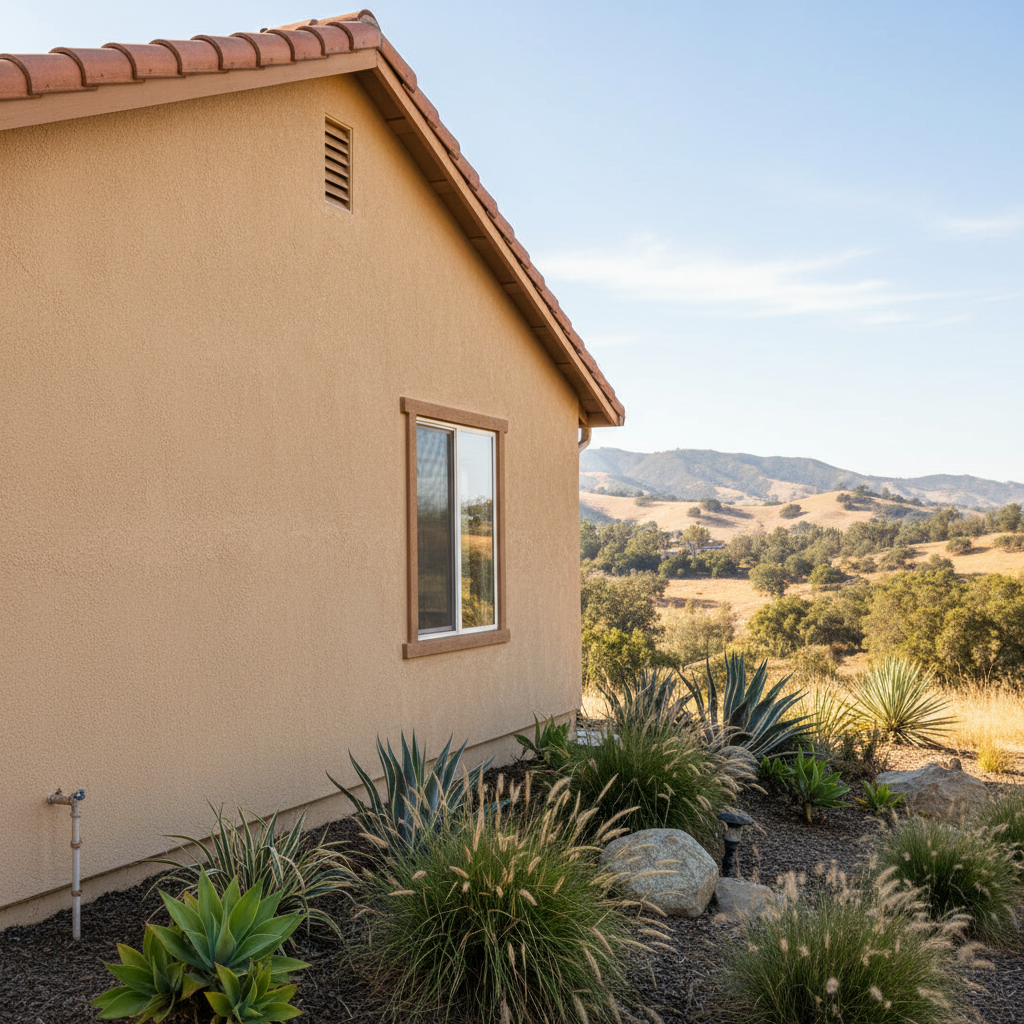
You have stucco on your home in San Dimas, and that is a good choice. Stucco is durable, it is energy-efficient, and it looks good, especially when homeowners maintain it well. But "low maintenance" does not mean "no maintenance." This is especially true with our Southern California climate. Our climate throws everything from very hot summer heat to intense, short winter rains at your house. I have seen what our San Dimas weather can do. A little proactive care helps keep your stucco looking sharp and protects your investment in your San Dimas home.
Extending Your Stucco's Lifespan in Our San Dimas Climate
Stucco can last 50 years or more here in San Dimas if you treat it right. Our dry, hot summers mean constant UV exposure. This UV exposure can break down binders in the stucco. This breakdown can lead to fading or "chalking" over time. Then we have the cooler, wetter San Dimas winters. These winters bring occasional heavy downpours that can test your home's defenses. Absolute Stucco knows how to handle these conditions.
Here is what Absolute Stucco recommends to fight back against our local San Dimas conditions:
- Keep it Clean: Dirt, dust, and even pollution can build up on stucco, especially with our arid summers in San Dimas. This is not just cosmetic. Dirt can trap moisture and encourage mildew. A good, gentle cleaning every year or two is important for stucco in San Dimas.
- Protect from Water Intrusion: This is probably the most important thing for stucco in San Dimas. Stucco is designed to shed water. However, constant moisture exposure in specific spots is a problem. Make sure your sprinklers are not hitting your stucco walls directly. This is especially important during those long, hot stretches when the water just sits there and bakes. I have seen many homes in the Via Verde area of San Dimas with water damage from misdirected sprinklers. Also, keep an eye on your gutters and downspouts. They need to be clear and they need to direct water well away from your foundation.
- Sealants are Your Friends: Around windows, doors, and any penetrations like hose bibs or utility lines, the caulk or sealant is your stucco's first line of defense against water. Our San Dimas temperature swings, from 44°F to 92°F annually, cause materials to expand and contract. This expansion and contraction can break down these seals over time. Inspect your sealants annually and reapply them as needed for your San Dimas stucco.
- Consider a Breathable Coating: If you are thinking about painting your stucco in San Dimas, make sure you use a high-quality, breathable elastomeric or acrylic finish. These coatings are flexible. They stretch with the building as it expands and contracts. This stretching helps bridge those tiny hairline cracks that pop up on stucco. These coatings also allow any trapped moisture to escape. This is vital for the health of your stucco wall system in San Dimas.
What Regular Stucco Maintenance Looks Like in San Dimas
Think of stucco maintenance like changing the oil in your car. It is not glamorous, but it prevents big problems down the road. You can do a lot of this yourself with a quick walk-around your house a few times a year in San Dimas.
Seasonal Checks for Stucco in San Dimas:
- Spring: After the winter rains, clean off any dust or stains from your stucco. Check all your caulking around openings. Look for any signs of water lingering or staining on your San Dimas stucco.
- Summer: Our intense sun in San Dimas means you should check south and west-facing stucco walls. Look for any new hairline cracks, fading, or dried-out sealants.
- Fall: Before the rains start, clear away any soil, mulch, or debris from around the base of your stucco walls and your weep screeds. You do not want anything blocking proper drainage for your stucco in San Dimas.
- After Heavy Rain: Take a quick look for any new staining, bubbling, or areas that seem to be drying much slower than the rest of the stucco wall. Also, check inside for any dampness.
Cleaning Your Stucco in San Dimas:
The best way to clean stucco is gently. A garden hose with a mild detergent and a soft-bristled brush is usually all you need for general grime on San Dimas stucco. Rinse thoroughly. If you have stubborn dirt, a pressure washer can work. But you have to be careful. Keep the pressure below 1,500 psi. Keep the nozzle at least two feet away from the stucco surface. You do not want to blast water into cracks or damage the finish. Harsh chemicals are not good for stucco; they can damage the stucco. For mold or mildew, a water and white vinegar solution often works for stucco in San Dimas.
Warning Signs of Stucco Problems in San Dimas
Your stucco will usually tell you when something is wrong. You just need to know what to look for. Catching these problems early can save you a lot of headache and money for your San Dimas home.
- Cracks: Hairline cracks are common, especially with our temperature fluctuations and seismic activity here in Southern California. But if you see cracks wider than an eighth of an inch, or if they are diagonal cracks originating from window or door corners, that is a red flag. These cracks can indicate movement or water intrusion in your San Dimas stucco.
- Stains and Discoloration: White streaks, called efflorescence, can mean water is getting into the stucco. This water brings salts to the surface. Brown or dark stains, especially under windows, near the roofline, or at the base of the stucco wall, almost always point to water issues or mold and mildew.
- Bubbling or Peeling: If the finish coat of stucco is bubbling or peeling, it means water is trapped behind it. This water pushes the finish coat away from the wall. This is a serious sign of moisture intrusion and needs immediate attention for your San Dimas stucco.
- Soft Spots: Press on the stucco in different areas. If you find any soft or spongy spots, that is a strong indicator of water damage to the substrate underneath the stucco.
- Loose or Crumbling Stucco: If pieces of stucco are flaking off or if it feels crumbly, the stucco material itself might be failing. This often happens due to improper curing or long-term water exposure.
When to Call a Stucco Professional in San Dimas
Some things you can handle yourself, but for other things, you really need an expert. Do not try to do major stucco repairs yourself. A botched job can lead to even bigger problems for your San Dimas home.
You should call Absolute Stucco, or another qualified professional, if you see any of these problems with your stucco in San Dimas:
- Large or Growing Cracks: Any stucco cracks over an eighth of an inch, or cracks that are getting noticeably bigger, need a professional assessment. Absolute Stucco can determine the cause and repair it correctly. We often use specialized elastomeric sealants for movement cracks in San Dimas stucco.
- Persistent Staining or Discoloration: If you have cleaned your stucco and the stains keep coming back, there is an underlying moisture problem. This problem needs to be found and fixed by a professional in San Dimas.
- Bubbling, Peeling, or Soft Spots: These are clear indicators of water intrusion. These issues require opening up the stucco wall to address the damage to the lath, framing, and weather-resistant barrier. Absolute Stucco can handle these Stucco Repair services in San Dimas.
- Stucco Coming Loose: If the stucco is detaching from the wall, you have a structural issue. This issue needs immediate attention from a professional stucco contractor in San Dimas.
- Damage Around Windows or Doors: These are common entry points for water into stucco. If you see signs of damage here, it is best to get a professional to check the flashing and sealing. Absolute Stucco provides these important Stucco Repair services to the San Dimas community.
Remember, your stucco is your home's skin. Taking care of your stucco means taking care of your whole house in San Dimas. A little attention now can prevent a lot of headaches and expense later. Absolute Stucco provides Stucco Maintenance services for homes in San Dimas, CA.