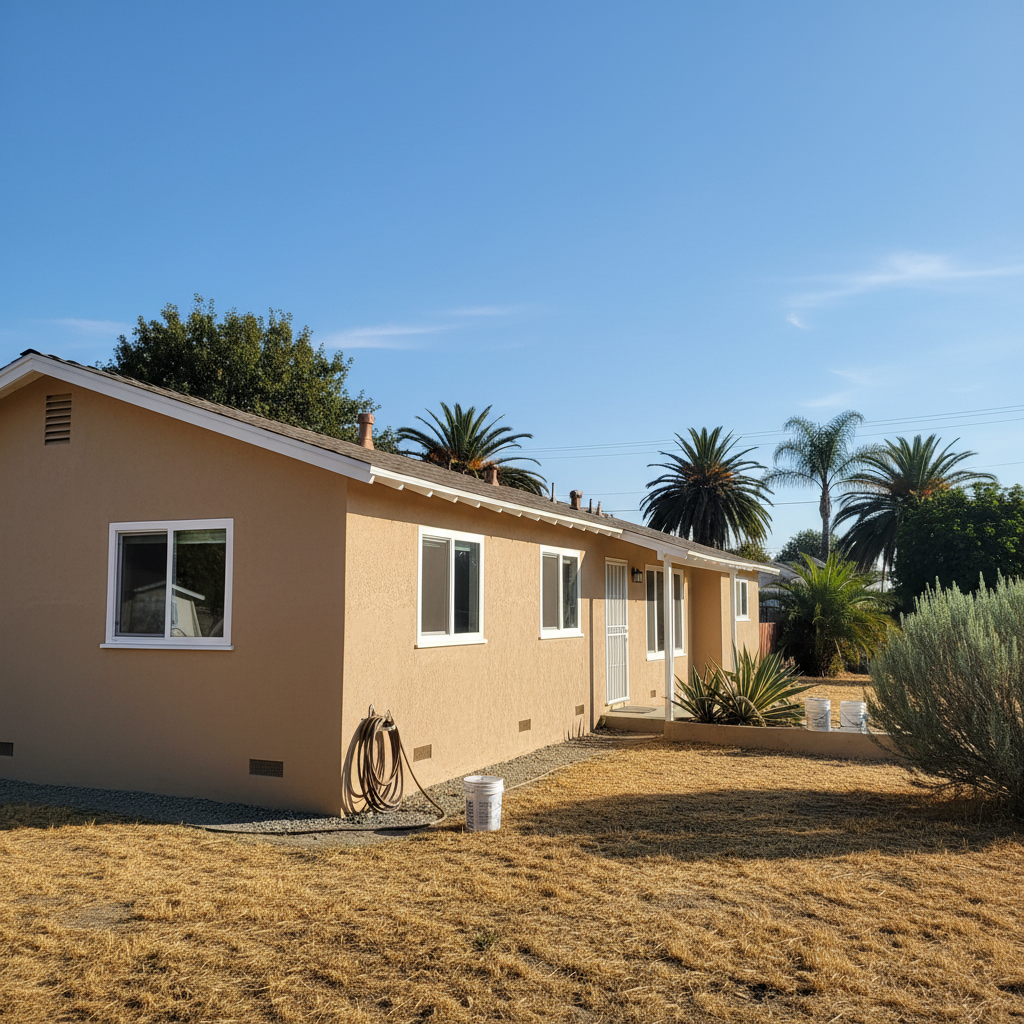
You've got stucco on your San Dimas home, and that's great. It's a durable, beautiful exterior, no doubt about it, but it's not invincible. We live in a place with some pretty distinct weather patterns, and knowing how those affect your stucco can save you a lot of headaches and money down the road. I've been doing this a long time, and I've seen firsthand what our local climate does to stucco.
Timing Your Stucco Projects: It's All About the Weather
So, when's the best time to get stucco work done? That's a common question, and the short answer is: it really depends on what you're doing. Generally, you want moderate temperatures and low humidity. That's not always easy to come by in Southern California, is it?
- Spring (March-May): This is often ideal. The days are usually warm enough for materials to cure properly, but not so hot that they dry too fast and crack. We typically get some nice breezes, and the rainy season is usually winding down. If you're thinking about a bigger project, like a full re-dash, spring's a prime window.
- Early Summer (June-July): Still pretty good. The heat starts to crank up, especially as we get into July, but if we're working early in the day, it's manageable. You just have to be careful with how quickly the stucco dries. Too fast, and you can get hairline cracks. We're always watching that.
- Fall (September-November): Another excellent period. The intense summer heat starts to back off, and we get those pleasant, warm days. It's similar to spring in terms of ideal curing conditions. This is a popular time for repairs or even a fresh coat.
- Winter (December-February): This is trickier. Our winters aren't harsh like back East, but we get our share of rain. Stucco needs dry conditions to apply and cure correctly. If it gets too wet too soon, you're looking at potential adhesion issues or even mold. Plus, cold temperatures slow down the curing process significantly. We can still do smaller repairs if there's a good dry spell, but major work? I'd usually advise waiting.
The key takeaway here is avoiding extremes. Too hot, too cold, too wet – none of it is good for fresh stucco. We're always checking the forecast before we start a job, because that's just good practice. You wouldn't want us putting new stucco on your house right before a big rainstorm, right?
San Dimas Specifics: What Our Climate Means for Your Stucco
Our little corner of the San Gabriel Valley has its own quirks. We get those hot, dry Santa Ana winds, especially in fall. Those winds can really suck the moisture out of freshly applied stucco, making it cure too fast. That's why we sometimes have to take extra steps, like misting the stucco or using special additives, to control the drying. It's not just about applying it; it's about managing the environment it's curing in.
Then there's the sun. We get a lot of it. The intense UV rays can eventually break down the binders in your stucco's finish coat, leading to fading or even a chalky surface. This is why a good quality finish coat with UV resistance is so important. When we do a job at Absolute Stucco, we're thinking about these long-term factors, not just getting it on the wall.
And let's not forget our occasional, but sometimes intense, rainy seasons. While stucco is designed to shed water, prolonged exposure to moisture, especially if there are cracks or unsealed areas, can lead to bigger problems. Think about those areas around your windows or where your roofline meets the stucco – these are common spots for water intrusion if they're not properly flashed and sealed.
Year-Round Protection: Simple Steps to Preserve Your Investment
You've got a beautiful stucco home. You want to keep it that way. Here's what you can do:
- Inspect Regularly: Walk around your house a couple of times a year. Look for hairline cracks, especially around windows, doors, and corners. Check for any discoloration or bulging, which could indicate water intrusion. Early detection is huge.
- Keep it Clean: Dirt, dust, and even mildew can build up, especially on north-facing walls that don't get as much sun. A gentle wash with a garden hose and a soft brush can do wonders. Avoid high-pressure washers unless you really know what you're doing, because you can damage the stucco surface.
- Manage Water: Make sure your sprinklers aren't constantly hitting your stucco. Over time, that constant moisture can lead to issues. Check your gutters and downspouts to ensure they're directing water away from your foundation and walls. Good drainage is your stucco's best friend.
- Seal Cracks Promptly: Don't let those small hairline cracks turn into big problems. If you see them, get them sealed. For minor ones, a good quality elastomeric caulk can work. For anything larger or more complex, give us a call. It's always better to address it sooner rather than later.
- Trim Landscaping: Keep bushes and trees trimmed back from your stucco. They can rub against the surface, causing abrasion, and they also trap moisture against the wall, creating an environment for mold or mildew.
Your home is a big investment, and your stucco exterior plays a huge role in protecting it. By understanding our local climate and taking a few proactive steps, you can keep your stucco looking great and performing its job for decades. If you ever have questions or spot something that doesn't look right, don't hesitate to reach out. That's what we're here for.