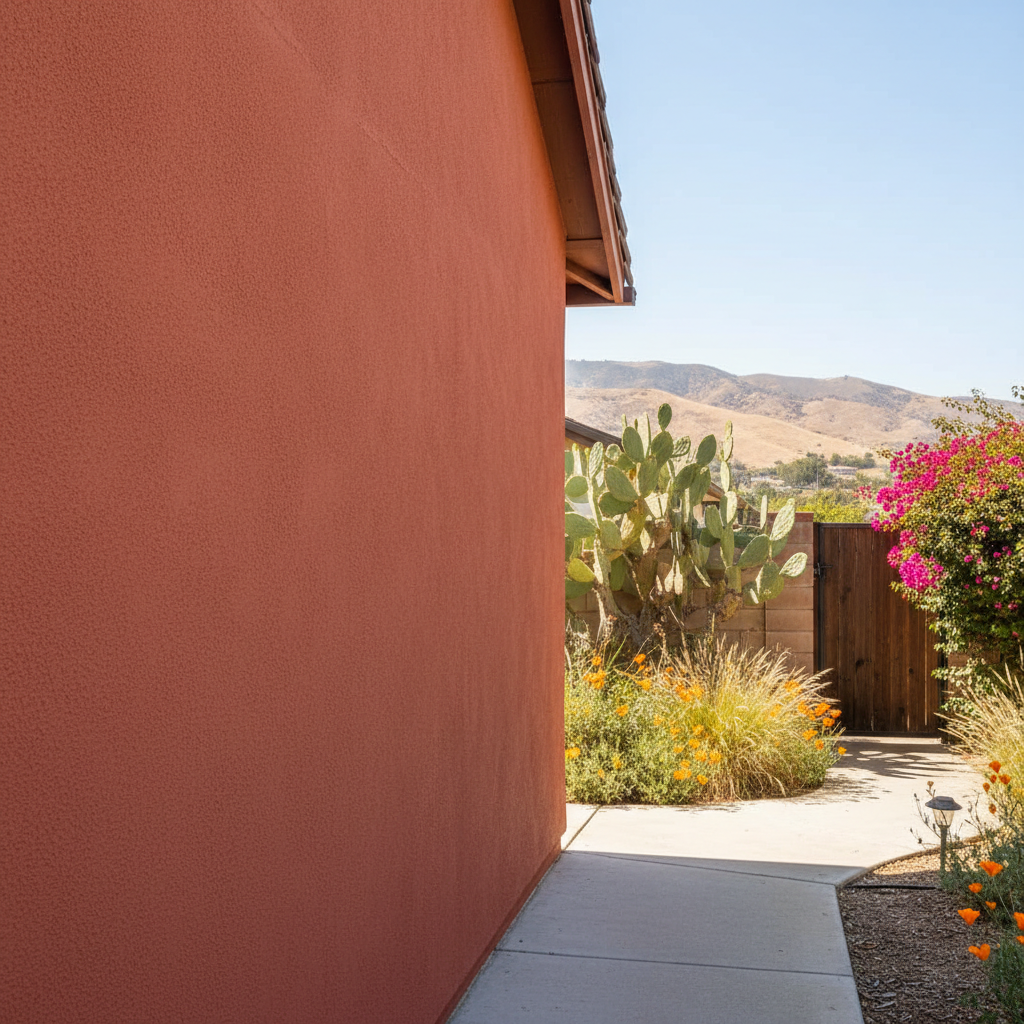
So, you've just had your stucco redashed, or maybe you're just thinking about it. Either way, you've made a pretty smart choice for your San Dimas home. A good redash isn't just about making the place look nice, you know? It's really about protecting your biggest investment. But that fresh, clean look won't last forever on its own. Just like anything else, it needs a little love to go the distance. Here's what I tell my customers about keeping their stucco in top shape after we've done our work.
Extend the Life of Your Stucco Redash
The biggest thing you can do to extend your redash's life is actually pretty simple: keep it clean and keep water away from it. I know, sounds obvious, right? But you'd be surprised how many folks let things slide. We're talking about a finish that's built to last, but it's not invincible.
- Keep it Clean: Dirt, dust, and even smog from the 210 freeway can build up on stucco. This isn't just an aesthetic issue either; over time, these particles can hold moisture against the surface. That encourages mildew or algae growth, especially on those north-facing walls that don't get much sun. A gentle rinse with a garden hose once or twice a year is usually enough. For tougher spots, a soft brush and a mild detergent solution (like dish soap and water) can work wonders. Just don't go at it with a pressure washer set too high – you can really damage the finish.
- Manage Water: This is huge, especially with our occasional heavy rains here in Southern California. Make sure your gutters are clean and working properly, directing water away from your foundation. Check your downspouts, too; if they're dumping water right onto your stucco or splashing it up from the ground, you're asking for trouble. Consider adding splash blocks or extending them. Also, keep an eye on your irrigation system. Sprinklers hitting your stucco constantly will lead to staining and can eventually compromise the finish. Adjust those heads!
- Trim Landscaping: Bushes, trees, and vines growing directly against your stucco are bad news. They trap moisture, block sunlight (which helps dry the stucco), and can physically rub against the surface as they move in the wind. Keep everything trimmed back a few inches from the wall.
Regular Maintenance: What to Look For
Think of it like checking the oil in your car. A quick walk around your house a couple of times a year can save you a lot of headaches and money down the road. What are you looking for?
- Cracks: Hairline cracks are pretty common and usually nothing to worry about. Stucco expands and contracts with temperature changes, especially with our hot San Dimas summers and cooler winters. But if you see cracks that are wider than a credit card, or if they're running in a distinct pattern (like a stair-step crack from a window corner), that's a red flag.
- Stains: Dark streaks, green patches, or rust-colored drips all tell a story. Green usually means algae or mildew from excess moisture. Dark streaks could be dirt or water runoff. Rust stains often come from metal components like flashing or old nails. Pinpointing the source is key.
- Bulging or Soft Spots: This is a serious one. If you press on the stucco and it feels soft, spongy, or you see a bulge, it almost always means water has gotten behind the stucco. This can lead to rot in the sheathing and framing underneath, which is a much bigger repair than just fixing the stucco surface.
- Peeling Paint or Finish: If your stucco was painted or had a color coat applied, look for any areas where it's flaking or bubbling. This can indicate moisture issues or just an aging topcoat.
When to Call a Professional
Look, I'm a big believer in DIY when it makes sense. But some things are best left to the pros. When it comes to stucco, knowing when to pick up the phone can save you from turning a small problem into a huge, expensive nightmare. Here's when to give a company like Absolute Stucco a call:
- Widespread Cracking: If you've got cracks all over the place, or if they're getting wider, it's time for an expert opinion. It could be a sign of structural movement or a deeper issue.
- Water Intrusion Signs: Any bulging, soft spots, or persistent dampness on interior walls that correlates with exterior stucco issues means you've got water getting in. Don't wait on this. Water damage can spread fast and quietly.
- Persistent Stains or Mildew: If you've tried cleaning and the stains keep coming back, or if you can't figure out the source of a stain, we can help diagnose it. Sometimes it's a hidden leak or a drainage issue you haven't spotted.
- You're Not Sure: Honestly, if you're walking around your house and something just doesn't look right, or you're worried about a specific spot, just call us. We're happy to take a look. It's better to have us come out for a quick inspection and tell you everything's fine than to let a problem fester. We've seen it all, from minor fixes to major overhauls, and we can tell you exactly what's going on and what your options are.
Your redashed stucco is a tough, beautiful finish. With a little attention, it'll protect your home and look great for decades. Just keep an eye on it, keep it clean, and don't hesitate to reach out if you spot something that gives you pause.